The time between large, impactful changes in technology is getting shorter as technology gets better. In the marketing world, there would usually be a couple of changes that required marketers to slightly shift, but big changes usually took time. With the introduction of AI, major changes are happening faster. For years, businesses have relied on static banners, search engine placements, and social media to capture audience attention.
Artificial intelligence is reshaping all of this. It’s changing the way we search for information and reshaping how brands connect with consumers.
The introduction of advertising within ChatGPT represents a major shift from passive search to active conversation. It effectively marks the move away from marketing “interruptions” and onto “interaction”. For businesses, this isn’t a mere placement opportunity, it’s a chance to engage with customers in a more helpful, immediate, and surprisingly human way.
1. Hyper Personalised Recommendations in Real Time
Traditional personalisation often feels like a guessing game. An example of this can be seen if you look at a pair of shoes on one website, then suddenly that same pair of shoes can be seen on all the ads you see for a couple of weeks. This is basic retargeting, but it lacks that bit of context that would make it more human.
ChatGPT ads have the potential to entirely change this dynamic. It can leverage the immediate context of a conversation and action that. Since the AI can understand the nuances of your query, it can offer recommendations that are relevant in real time.
Sticking with the shoe example, imagine telling ChatGPT that you need hiking shoes for a hike with a bunch of your friends next week. Instead of just giving you results for the most popular hiking shoes, it could return results for sites with fast or even 1 day shipping, as well as links to local stores that stock the highest rated hiking shoes. The recommendation solves the user’s specific problem at the exact moment they need it. This level of relevance transforms an ad from an interruption to a valuable interaction, significantly increasing the likelihood of engagement.
2. Turning Ads into Interactive Experiences
Most, if not all, digital ads are one way streets: the brand talks at the consumer, the consumer reads and clicks or simply scrolls past. ChatGPT ads aim to turn this monologue into a dialogue.
In this new setup, an ad doesn’t have to be a static image, GIF, or video. It could be the start of a meaningful and productive conversation. If you ask ChatGPT about the best shoes for running, reputable shoe brands could sponsor a reply that gives a list of their top rated running shoes and even prompts you to ask follow up questions for more context to help narrow the options.
“Which of these is good for wider feet?” “Which of these shoes is breathable in hot weather?”
You could be interacting with the brand’s sponsored content directly in ChatGPT, getting answers instantly without the friction of clicking a link and having to go to a new page. This keeps you and other users engaged in the flow of information, allowing you to qualify yourself as a lead simply by continuing your conversation.
3. Seamless Integration with Customer Support
One of the most frustrating experiences for consumers is the disconnect between marketing and support. Picture this, you see an ad for a product, click through, have questions about it, then struggle to connect to someone to ask those questions.
ChatGPT ads could remedy this by blending advertising with automated, intelligent support. If a user is asking ChatGPT about a specific running shoe, and the AI gathers all the context from the conversation and determines that the shoe may not be the right fit as it’s too narrow for a wider food, a sponsored suggestion for a different shoe may appear.
From the information released about ChatGPT ads, it may even take it past a suggestion. The ad itself could act as a preliminary support agent, answering questions about sizing, colours, customer reviews, and even shipping times. By providing support level details within the advertising experience, brands can remove any friction and build trust even before a purchase is made. The transition from “browser” to “buyer” becomes a smooth, supported journey rather than a leap of faith.
4. Context Aware Local Discovery
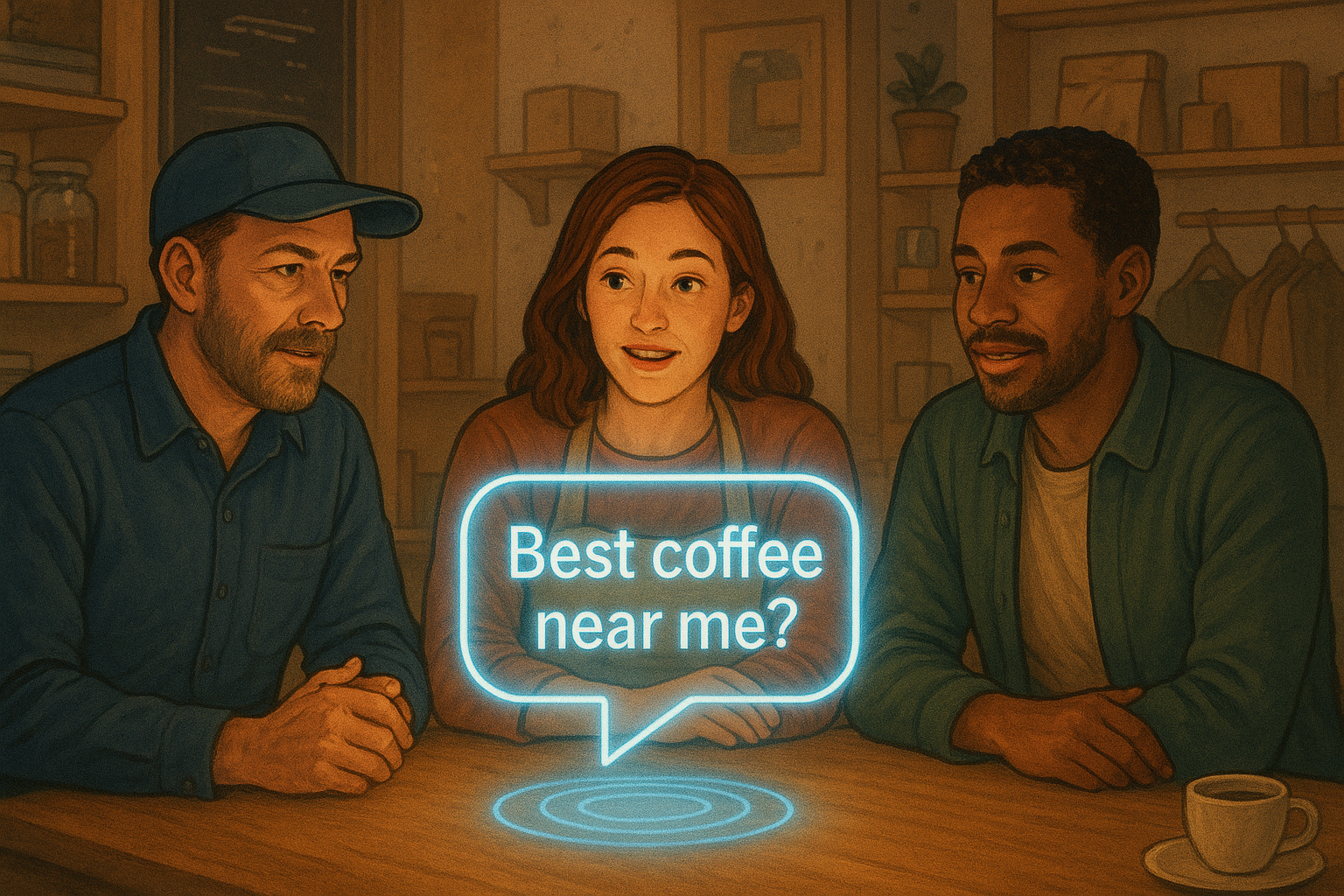
Local SEO has always been about “near me” or “close to me” searches. However, ChatGPT ads could add a layer of situational awareness that Google Map listings occasionally leave out.
Imagine you type, “It’s raining in Melbourne and I need a kid friendly indoor activity for a toddler.” Your typical search might list play centres. A ChatGPT ad could take it one step further. An indoor play centre could sponsor a response that says, “We have a dedicated toddler zone, a cafe for parents, plus we’re currently offering a 20% discount for rainy days.”
The engagement here is driven by the specific context of the weather and the user’s needs. If feels less like a directory listing and more like a helpful tip from a local expert. For small businesses, this offers a powerful way to compete by targeting specific scenarios rather than just broad or tail-end keywords.
5. Shortening the Path from Inspiration to Action
In current marketing funnels, there’s too many steps between inspiration and action. A user reads a blog, sees an ad, clicks a link, browses a page, finds a product, adds to cart, and checks out. You run the risk of losing potential customers at every step due to friction.
ChatGPT ads could drastically shorten this path. The interaction happens within a chat interface, the “ad” is often the answer to a question. If a user asks, “What are the best health tracking gadgets?” and a company sponsors a recommendation, the link provided will take them directly to the solution.
In the future, we might even see transactional capabilities directly within the chat. A user could say, “Book a table for two at that fancy restaurant you mentioned earlier,” and the AI could facilitate the reservation through a sponsored integration. By reducing the number of clicks and pages a user has to go through, brands can keep momentum high and engagement focused on the result.
From Ads to Allies
The era of ChatGPT advertising is not just about a new place to put banners and interrupt your potential customers, it’s about rethinking the relationship between brands and consumers. By moving from disruption to assistance, businesses have the opportunity to engage customers when they are most attentive and open to suggestions.
As we all prepare for this shift, the brands that will “win” will be those that focus on utility, relevance, and conversation. Your new goal isn’t just to be seen, it’s to be helpful.