The older, more traditional style of marketing involved brands and companies talking
AT their customers. Putting it bluntly, most ads were self serving monologues. Billboards screamed their slogans for all eyes to see, TV ads interrupted a show you actually wanted to watch, and banner ads flashed on computer and phone screens. Consumers were a passive recipient of messages they didn’t want or even ask for.
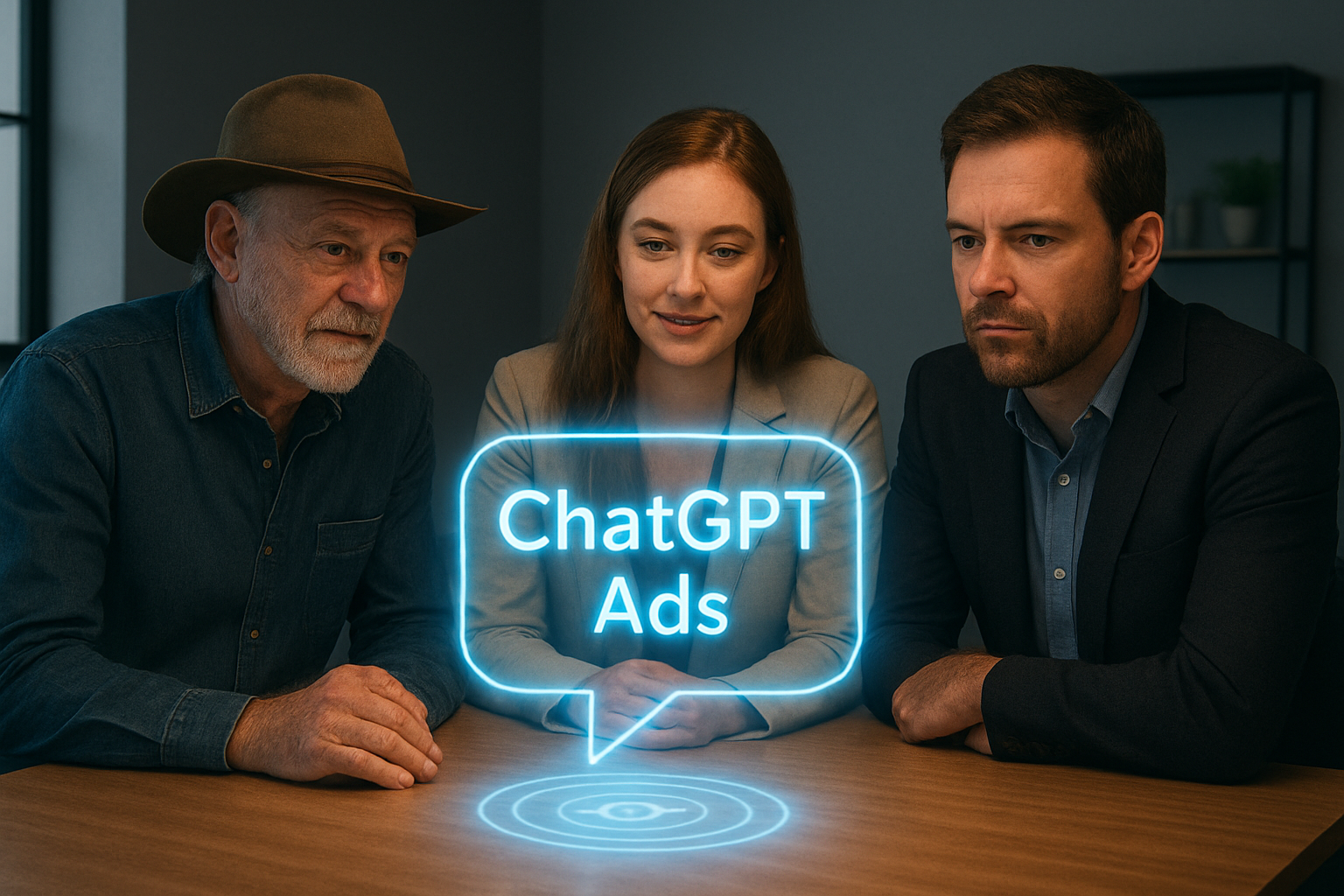
This is where ChatGPT ads break the mould. There’s this shift where companies and brands will be able to start a dialogue between the customer, a dynamic that’s fundamentally more impactful because it taps into our very psychology, catering to how we communicate, build trust, and make decisions.
So why is conversational marketing, or marketing in a more interactive way, so effective? It’s the psychology behind the interaction. When advertising doesn’t feel like a sales pitch and instead is a helpful suggestion from a friend, our brains process it differently. Advertising is changing with all the news of ChatGPT ads, and being able to understand the “why” will be key for any businesses looking to make use of this new technology.
What is Conversational Marketing?
Without getting into the nitty gritty, conversational marketing is a customer-focused approach to marketing. It focuses on real time, one on one interactions to engage with consumers and guide them through the sales funnel. Tools like chatbots, messaging apps, or live chats all help businesses create a more personalised and meaningful experience that prioritises the needs and preferences of the consumer, not the brand or company.
The Power of Human Like Interaction
We’re social creatures, whether we’re introverted or extroverted. We’re wired to respond to conversations (though introverted people are more selective). This is known as the “Computers Are Social Actors” (CASA) paradigm, which is a psychological theory suggesting that humans tend to treat computers and other media as if they were also human beings. When an AI interface like ChatGPT uses natural language, expresses emotions, or shows “understanding” of our queries, our brains subconsciously attach human like qualities to it.
This anthropomorphism is what starts the sense of connection between a user and the AI. When we ask a question and get a conversational answer promptly, we feel heard. Within the world of advertising and marketing, this is a revolutionary development. Having a recommendation embedded in a conversation is more natural than being blasted with intrusive ads.
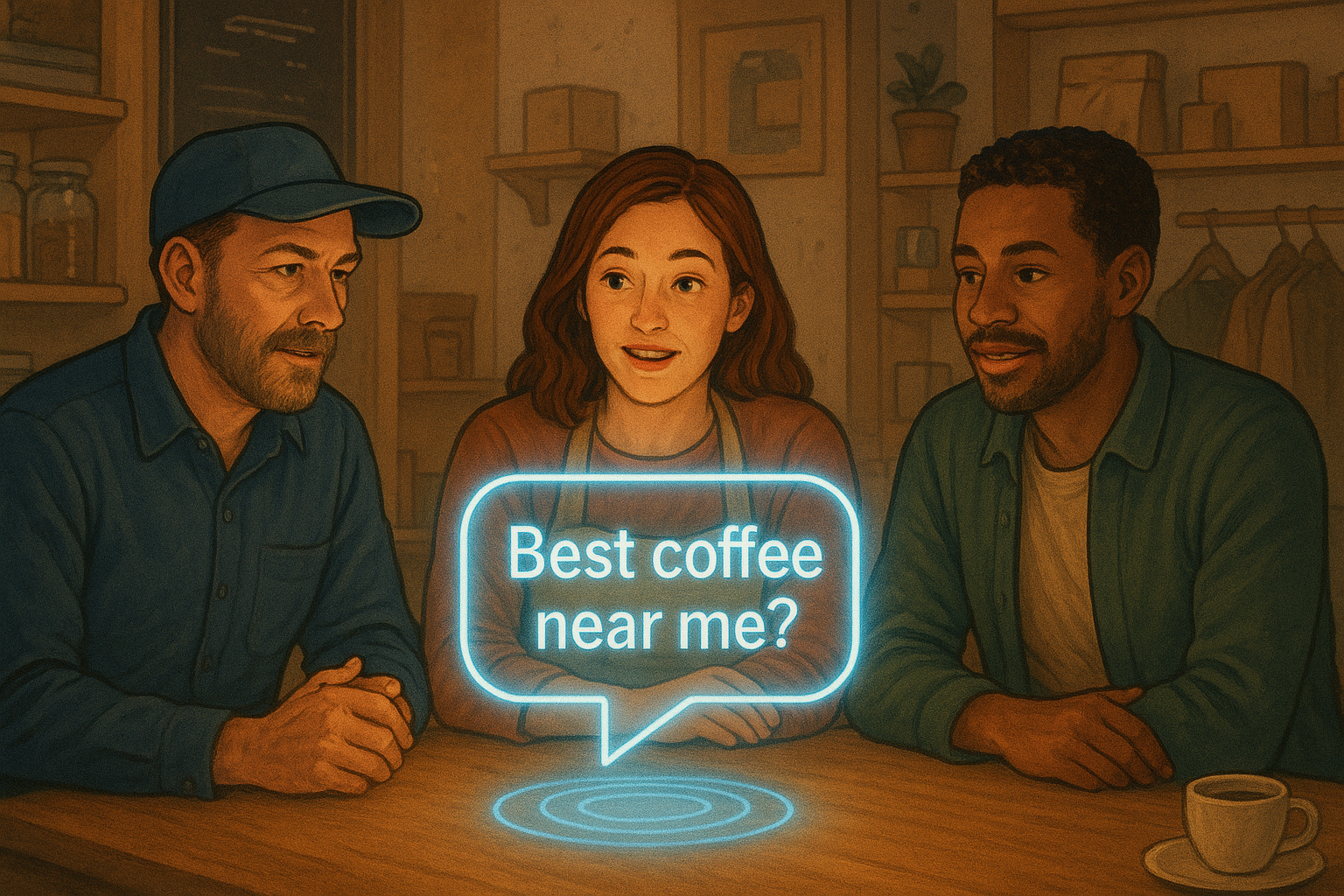
Think of it like this: if you ask your friends to recommend places to eat, their answer isn’t taken as an ad, but if you go to Google and type in “top 10 places to eat around me”, you may notice that the top answer may have the “Ad” tag next to it. ChatGPT ads have the potential to mimic the social exchange you had with your friend.
Trust and the Authority Bias
The “authority bias” is one of the strongest psychological drivers when making decisions. We all have this innate tendency to trust and follow the advice of people we believe are experts or authority figures.
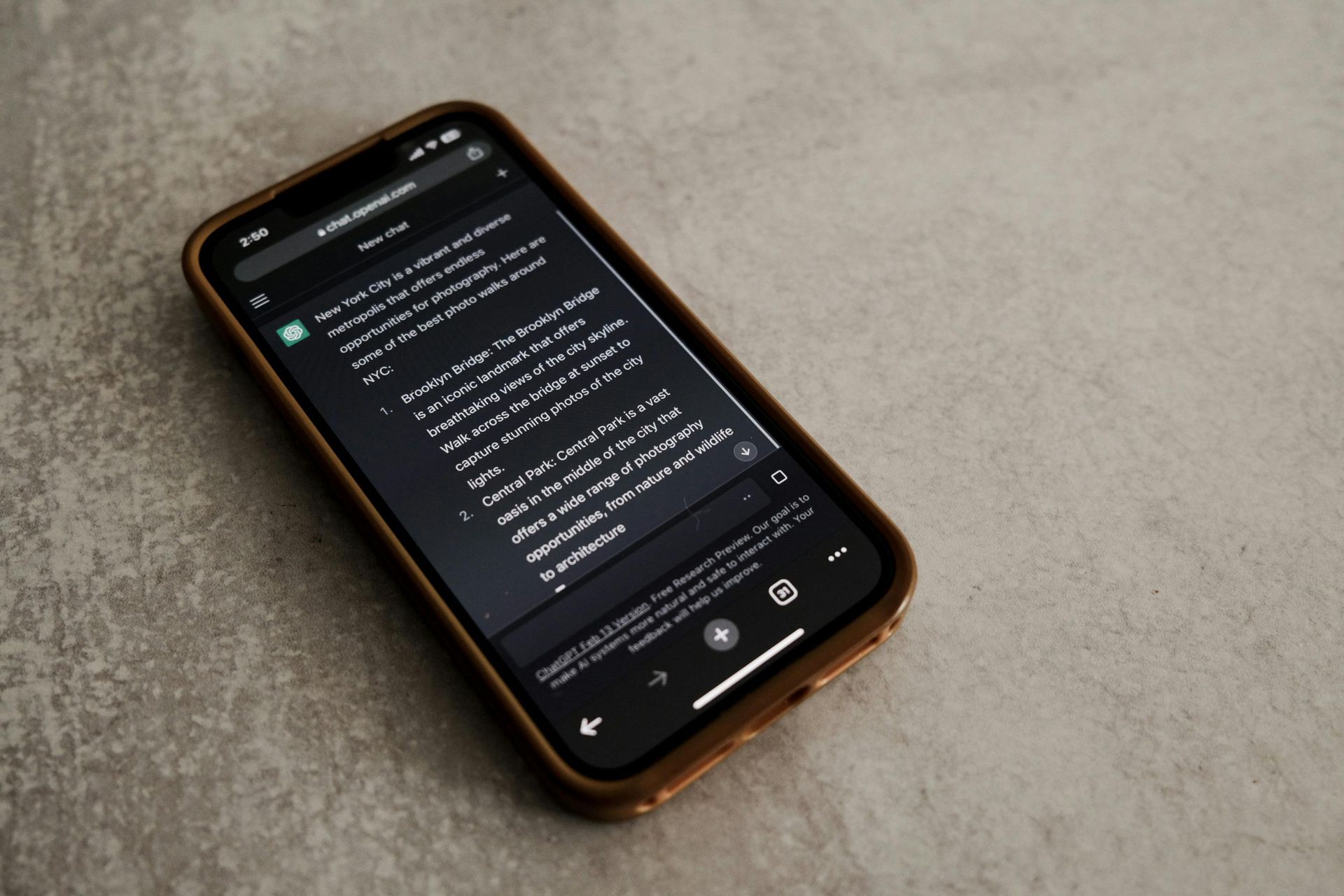
AI models like ChatGPT have rapidly risen as authority figures due to the sheer number of users on the platforms. People turn to them for answers to anything, whether it’s for homework, coding issues, writing help, or even medical advice. The speed at which these platforms answer with accurate and useful information helps build trust in users.
With the coming ad changes to ChatGPT, where the ads will be naturally built into answers, companies can now more naturally have their brand seen by more people. If ChatGPT suggests a specific brand of shoe to a user who is looking to just get into running, it’ll make much more of an impact than seeing a Nike or Adidas ad on the side of their screen. These more conversational ads will piggy back off the credibility of the platform.
While this all sounds amazing for companies, it does place a huge responsibility on advertisers. Trust is easily broken, and if recommendations are for irrelevant or low quality products or services, the trust that’s been built up by ChatGPT can come crumbling down.
The “Cocktail Party Effect” and Personalisation
The cocktail party effect is the brain’s ability to focus on a singular conversation even in a noisy and hectic environment. Picture being at a party or a concert where you’re overstimulated with sound. Now picture someone talking to you in that environment, even though there’s so many different sources of stimuli, you’re still able to have that conversation. Our brains are hardwired to prioritise information that’s personally relevant to us, and that’s what gives ChatGPT ads an edge.
Traditional ads attempt to guess relevance based on demographics and other factors built into their algorithm. Conversational ads have immediate explicit context, as the user is the one who’s asking for them. Users are literally telling the AI what they want, what other factors need to be considered, and anything that should be ignored.
With users telling the AI what they want, the AI is able to give a more personalised response. When ads speak directly to a specific need or pain point, the impact is greater.