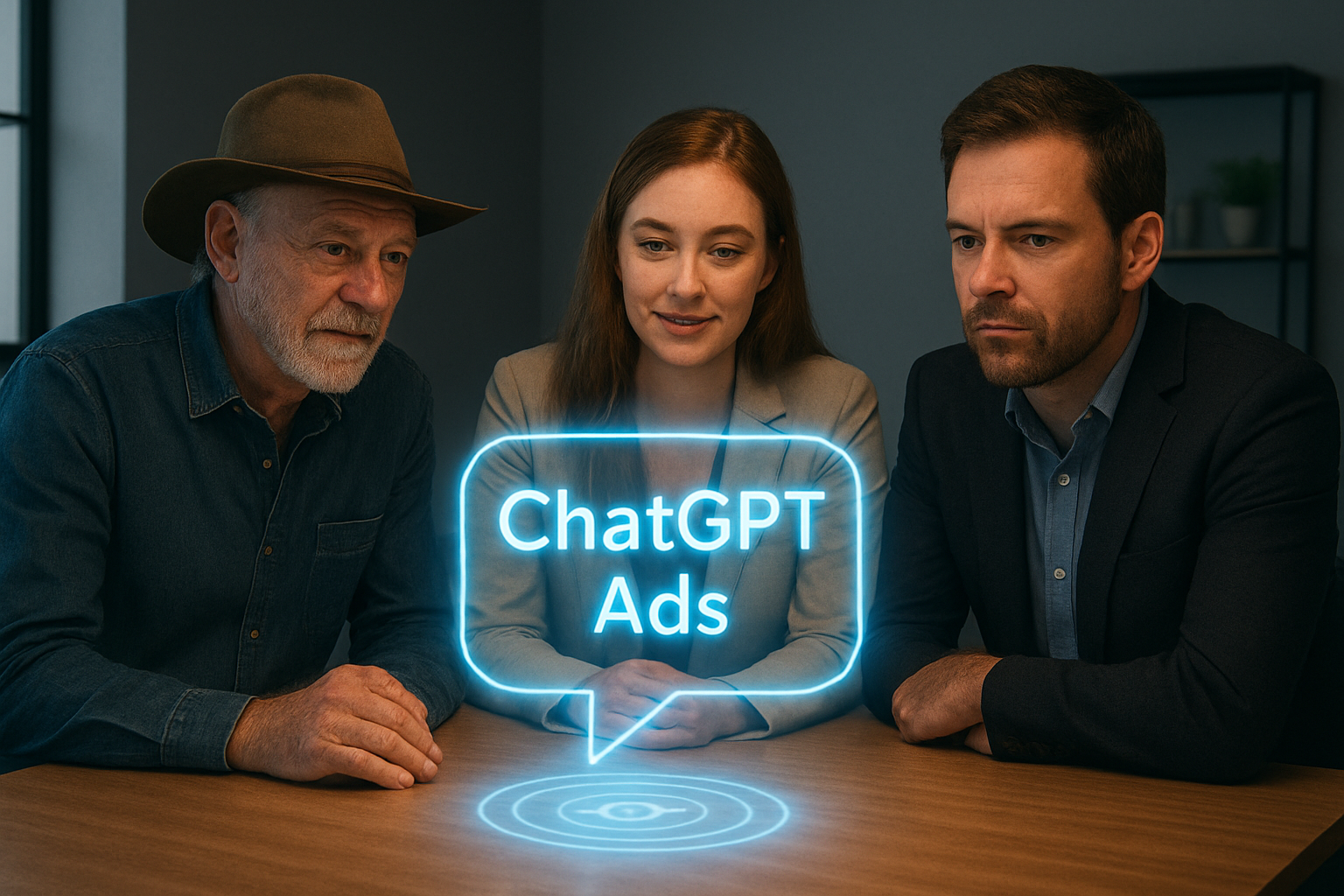
The only real constant in digital marketing is change. Some changes are small and don’t make big waves, while others redefine the marketing space. The news of advertisements within ChatGPT falls into the latter category. With the potential to completely shake up the industry.
Businesses, marketers, and consumers will feel the effects of this change. A whole new frontier of interaction and commerce will be brought to the table, one of which no one has any real experience with. While OpenAI has remained tight lipped about the whole topic, there have been a couple of leaks, tests, as well as expert predictions that shed light on what the future may hold.
With all the rumours running around, sometimes contradicting each other, it’s hard to get a grasp of what’s really happening. We’ll break down what’s going on, the latest developments, analyse their potential impact on advertising, and get into what businesses can expect with all these changes.
What are ChatGPT Ads?
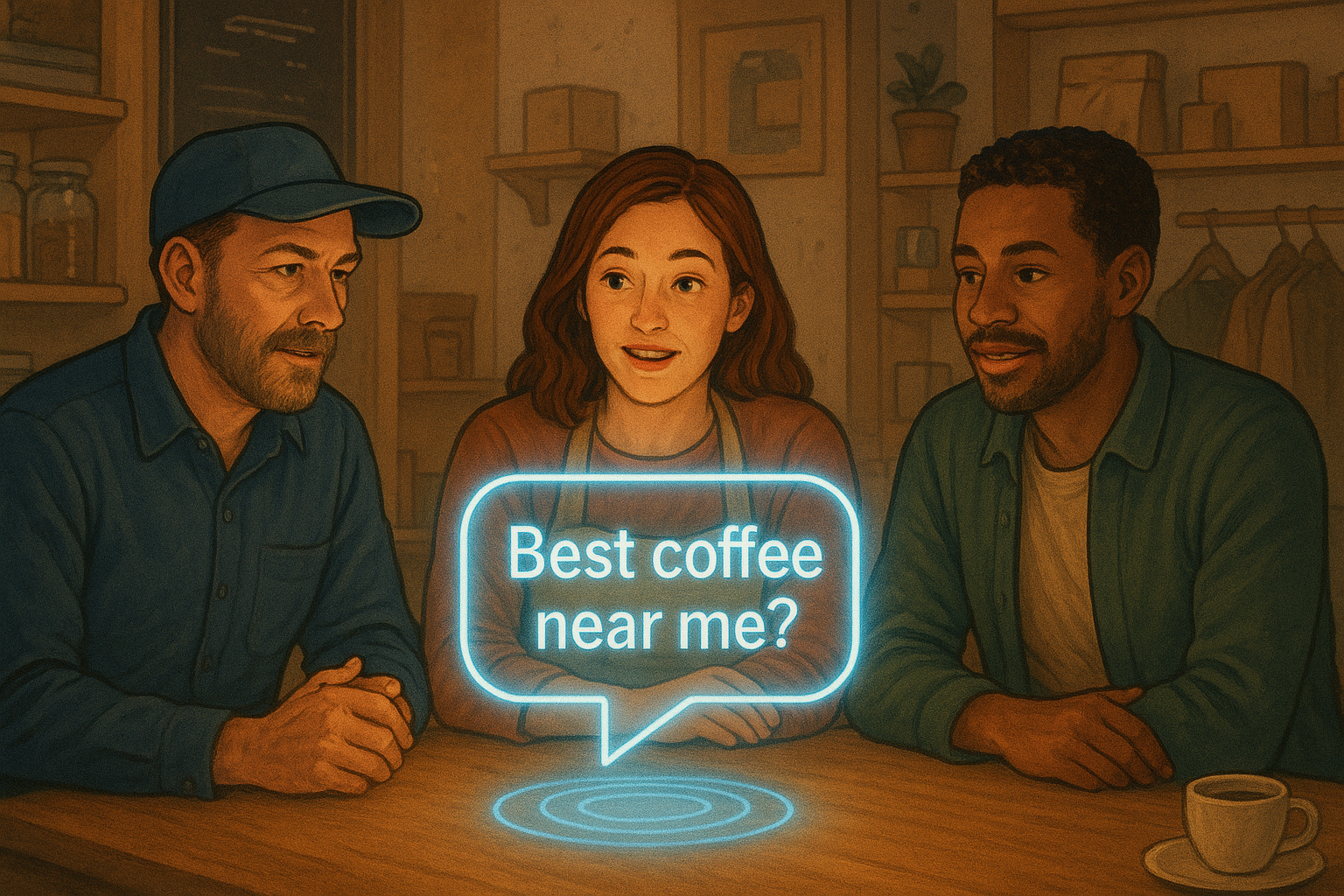
The whole idea of ChatGPT ads involves integrated sponsored content, which is directly input into the conversation of a user and the AI. There won’t be some distracting flashing banner at the top, sides, or bottom of the page like traditional ads. These highly integrated ads would come in the form of answers. For example, suppose you were looking for “an amazing brunch spot in Maroochydoore”. In that case, ChatGPT may give you an answer that suggests a specific restaurant or cafe that’s seamlessly woven into the reply.
These ads are more than likely going to be context aware, meaning they would be triggered by the user’s queries and the topic of the conversation. This level of personalisation goes far beyond the traditional keyword targeting seen in
SEO (search engine optimisation). The ad becomes part of the user’s solution, creating a less disruptive and potentially more valuable experience. The idea is akin to a native advertisement for the conversational age of search, where the line between organic information and sponsored content is seamless.
Recent Developments and Leaks
Rumours on the internet aren’t new, there’s always something going on. Speculation about ads in ChatGPT isn’t even a new concept, but with all the recent events, these online whispers have turned into an uproar. The topic gained significant traction when a Reddit user shared screenshots of an alleged search within ChatGPT that contained sponsored links. These leaks suggested that OpenAI was actively testing how to present paid or commercial content without compromising the user experience as a whole.
Adding fuel to the fire, there were reports that
OpenAI was surveying its user base about their willingness to accept ads in exchange for continued free access to the platform. If these reports are true, this means that the company is looking for different monetisation models, aside from its “Plus” subscription service. It appears that the goal is to find a balance where ads are generating revenue, to support the huge costs of running the AI, all without driving its massive user base away to a competitor.
With all of these developments making their way to different blogs and web forums, OpenAI still hasn’t made any formal announcements. These developments strongly suggest that the integration of ads isn’t a matter of if, more of a when and how. The company is likely carefully testing things, making sure that there’s a smooth rollout for when it actually happens.
The Potential Impact on Digital Advertising
The introduction of ChatGPT ads may be a huge disruptor. If things go as planned, digital marketing as a whole industry will change, impacting everyone from global brands to local businesses.
A New Level of Personalisation
Traditional ads rely on cookies, search history, and demographic data. Chat GPT ads will change this up as it’ll have access to the immediate context of a live conversation. If a user is discussing the benefits of mushroom supplements, the AI could present a sponsored link to a local mushroom supplement company or a different company with special offers that are related to the mushroom conversation. This real time relevance can potentially lead to significantly higher engagement and conversion rates.
The Rise of Conversational Commerce
This new ad format has the potential to explode, creating a trend of conversational commerce, where purchasing decisions happen within a chat interface. A user could be asking for birthday ideas for a family member they’ve described, get a sponsored suggestion based on the context, and potentially complete the purchase without ever having to leave the ChatGPT window or tab. This creates a true frictionless path from the initial search or query to the conversion, fundamentally changing the online shopping experience.
A Challenge to Search Engine Dominance
Google has been the number one search engine for a while, which means it’s been the undisputed king of digital advertising. This is so much of a fact that some people don’t say, “just search for it”, they say, “just Google it”. ChatGPT ads will be one of the first real threats to Google in a long time. As more and more people turn to AI chatbots for answers and recommendations, a large portion of advertising budgets that used to be dedicated to Google ads will be reallocated. This could create a highly competitive marketplace and force all platforms to innovate or be left behind.
What Businesses Should Expect and How to Prepare
Assuming the ChatGPT ads rollout smoothly, this seems like the era of ChatGPT advertising. Businesses that are proactive and adaptable may reign supreme during this time. Waiting until ads are fully rolled out could mean falling behind competitors who have already prepared.
Content Will Be King…Again
For your brand, product, or service to be recommended by AI, it has to have a strong and positive digital footprint. All this means is that you should focus on creating high quality, informative, and authoritative content. Your website, blogs, and product/service descriptions should be optimised. In this case, optimisation involves more than just keywords, it means providing clear, helpful answers that an AI can easily parse and trust before returning it to a user. The better your content, the more likely AI is to view your brand as a valuable resource to recommend.
Prioritise Your Online Reputation
AI models learn from the large amounts of information available online and the information given to them. Positive reviews, favourable mentions in articles, backlinks, and strong customer testimonials will contribute to how AI perceives your brand. Proactively managing your online reputation by encouraging reviews and engaging with customer feedback will be more important than ever before.
Embrace a Conversational Tone
Brands that communicate in a “human”, conversational manner with have a leg up on those who don’t. Their content will naturally align with the style of a ChatGPT response, meaning it’s more likely to get picked as a result. If you start to shift your brand’s voice to be more approachable and helpful, as opposed to rigid corporate jargon, you’ll have have a higher chance of being recommended by AI platforms. If it helps at all, start to think of your website and marketing materials as an ongoing conversation with your customers. You want to talk to your customers, not at them.
The Road Ahead
The coming integration of ads into ChatGPT will be a landmark development that will reshape digital marketing. While many details are still under wraps, the path forward is becoming clearer by the day. We’re heading towards a future where advertising is more personalised, conversational, and seamlessly integrated into the tools we use every day.
For businesses, all of this represents a massive opportunity to reach your audiences. By focusing on high quality content, managing your online reputation and presence, while adopting a more conversational approach, you can position yourself to thrive with all these impending changes. Early adopters who understand and adapt to these changes will be the ones who reap most of the rewards. ChatGPT ads are coming and the conversation is just beginning.