Small businesses have spent decades adapting to where attention moves next. First came search engines. Then social platforms. Now millions of users open ChatGPT to ask questions that once sent them to Google or Yelp.
They ask which tools to buy, which services to trust, and which local businesses fit their needs. That behaviour places ChatGPT in a new role. It no longer functions only as an information tool. It increasingly acts as a decision guide.
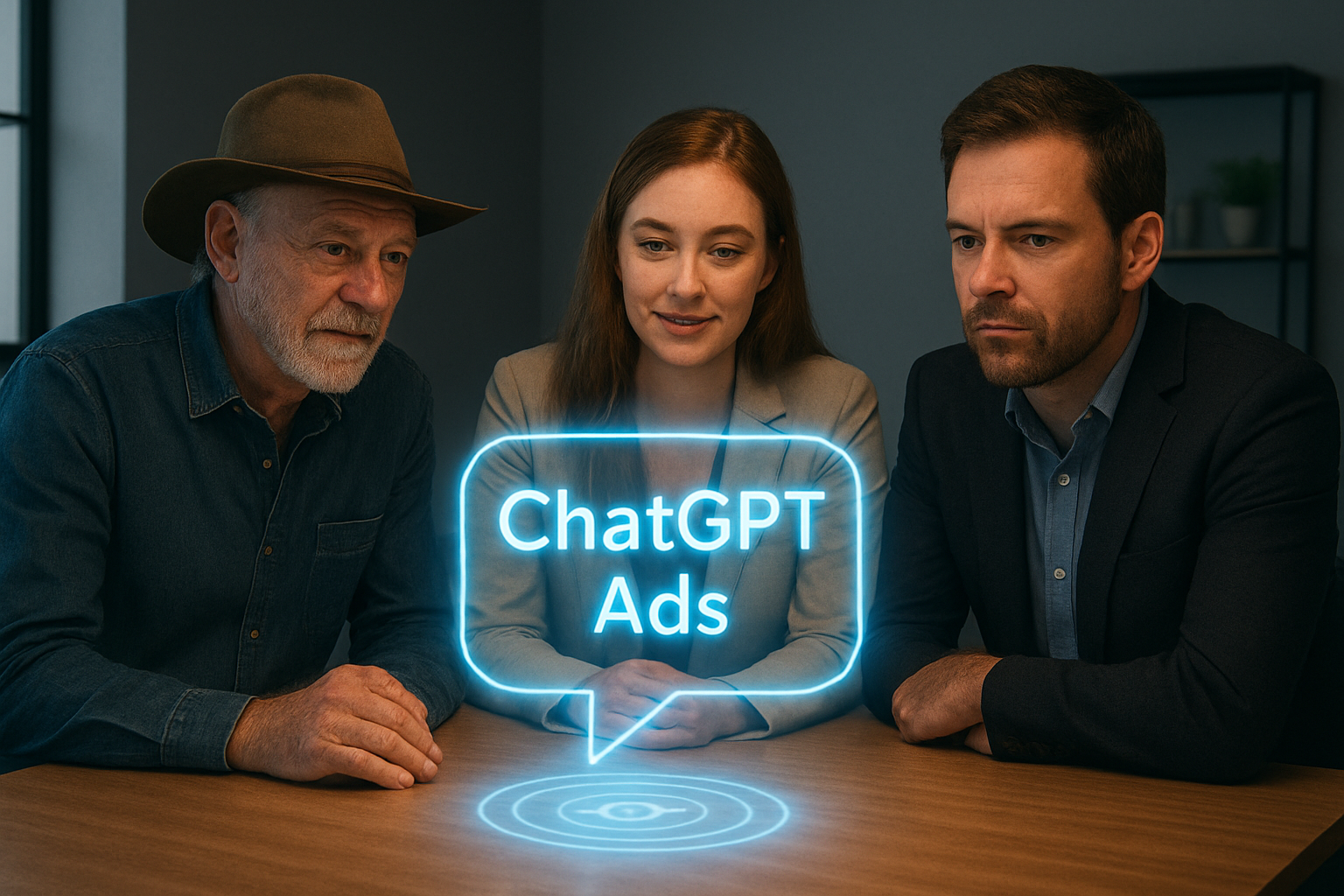
That shift has prompted a serious question across the advertising industry: Will ChatGPT become a place where businesses pay to be recommended?
OpenAI has said it plans to introduce advertising in a careful, limited way, with a focus on relevance and transparency. Industry analysts already see the groundwork for a full advertising business taking shape.
From Search Queries to Direct Answers
Traditional digital advertising relies on visibility. Brands compete for space in search results, social feeds, and comparison pages.
ChatGPT removes that structure. Users do not scroll. They ask questions and receive synthesised responses.
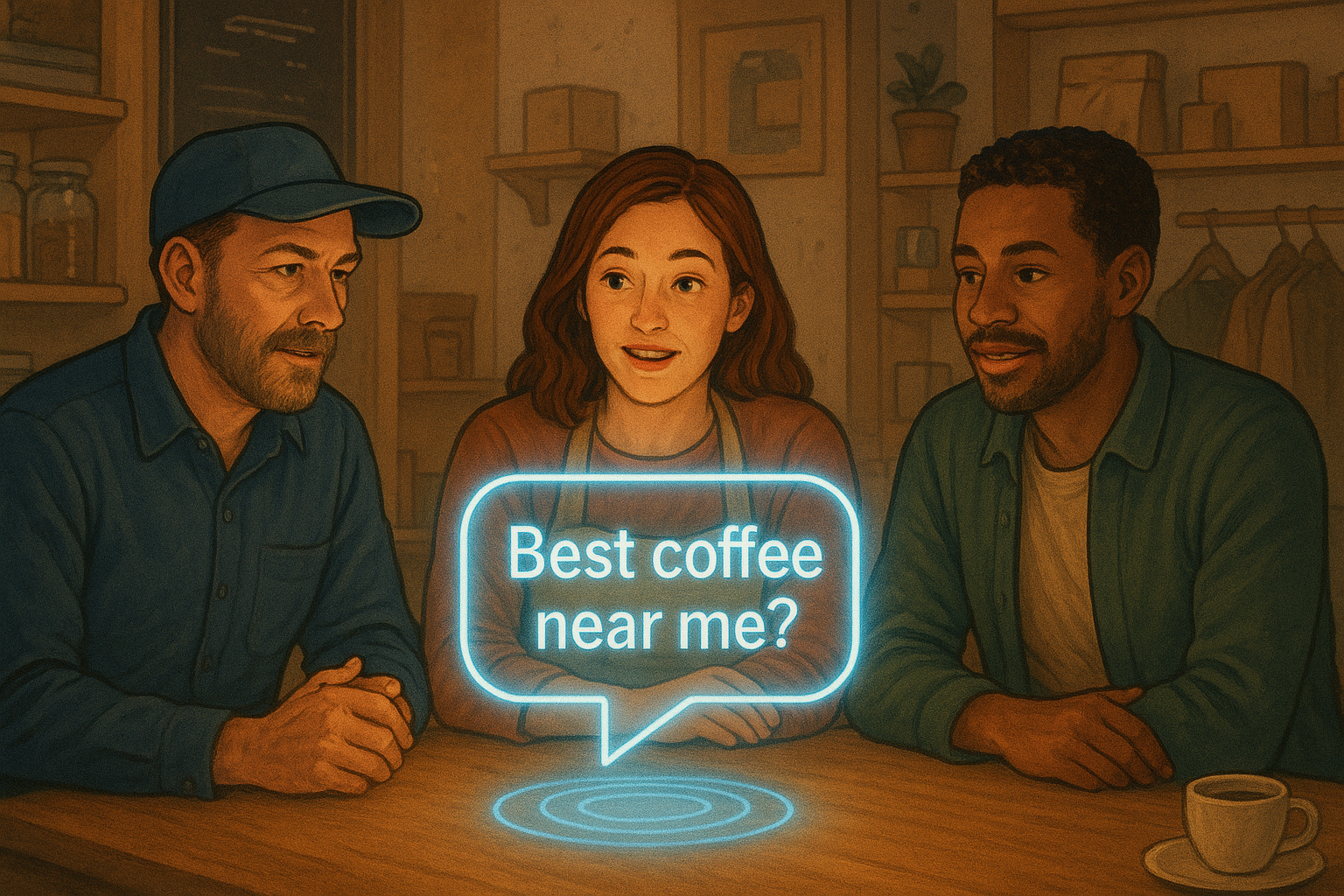
When someone asks, “What’s the best accounting software for a small retail business?” the assistant does not show ten blue links. It offers a short list or a single recommendation. That format concentrates attention in a way search results never did.
According to eMarketer, OpenAI has already begun
building the infrastructure needed to support advertising inside ChatGPT responses. The company appears focused on high-intent moments, where users actively seek solutions.
For small businesses, that change matters. It shifts competition away from who can spend the most and toward who fits the question best.
What Advertising Inside ChatGPT Could Look Like
OpenAI has not released final ad formats. Industry reporting suggests a model based on contextual placement rather than traditional display ads.
AdExchanger reports that OpenAI aims to
keep sponsored content clearly labelled and limited in volume. The goal is to preserve trust while opening a new revenue stream.
Possible formats include:
- Sponsored recommendations tied to specific user questions
- Local business placements for location-based queries
- Category sponsorships within defined use cases
This structure would differ from keyword auctions. Businesses would compete on relevance to user intent rather than broad search terms.
That approach could reduce waste for small advertisers, who often struggle with rising costs on Google and Meta.
Why Small Businesses Stand to Gain
Large platforms favour scale. Small businesses rarely win bidding wars.
Chat-based advertising changes that dynamic. Users arrive with a clear intent. The assistant delivers fewer options. Each placement carries more weight.
Industry analysts at SEO.com argue that ChatGPT could
function as a high-conversion channel rather than a high-volume one. That distinction favours businesses that offer specialised services or strong local value.
A single recommendation inside a trusted conversation may outperform dozens of impressions on a crowded page.
Trust Sets the Ceiling
The success of any advertising system inside ChatGPT depends on user trust.
OpenAI has emphasised that ads will not influence factual accuracy or manipulate responses. Sponsored content will require disclosure. Organic answers will remain separate.
That restraint limits inventory. It also protects effectiveness.
Users already treat ChatGPT as a neutral assistant. If that perception holds, sponsored recommendations could carry more credibility than traditional ads.
For small businesses, fewer opportunities may exist but each opportunity may matter more.
Preparing Before Ads Arrive
Even without paid placements, businesses already shape how ChatGPT describes their category.
The system draws from public information. Clear positioning, strong documentation, and credible third-party coverage influence how models learn. Before advertising launches, small businesses can:
- Clarify their niche and target audience
- Publish plain-language explanations of their services
- Maintain accurate listings and reviews across trusted platforms
Those steps improve visibility now and readiness later.
A New Decision Channel Takes Shape
ChatGPT will not replace search or social advertising overnight. It will sit alongside them.
Its strength lies in decision moments. Users ask for guidance when they feel ready to choose. Businesses that appear at that moment gain disproportionate influence.
Whether ChatGPT becomes a major advertising platform depends on execution. The shift in user behaviour already exists. Small businesses now face a familiar challenge in a new setting: show up where decisions happen.